
Water Rights and Shares in Fairview: What Acreage Buyers Need to Know
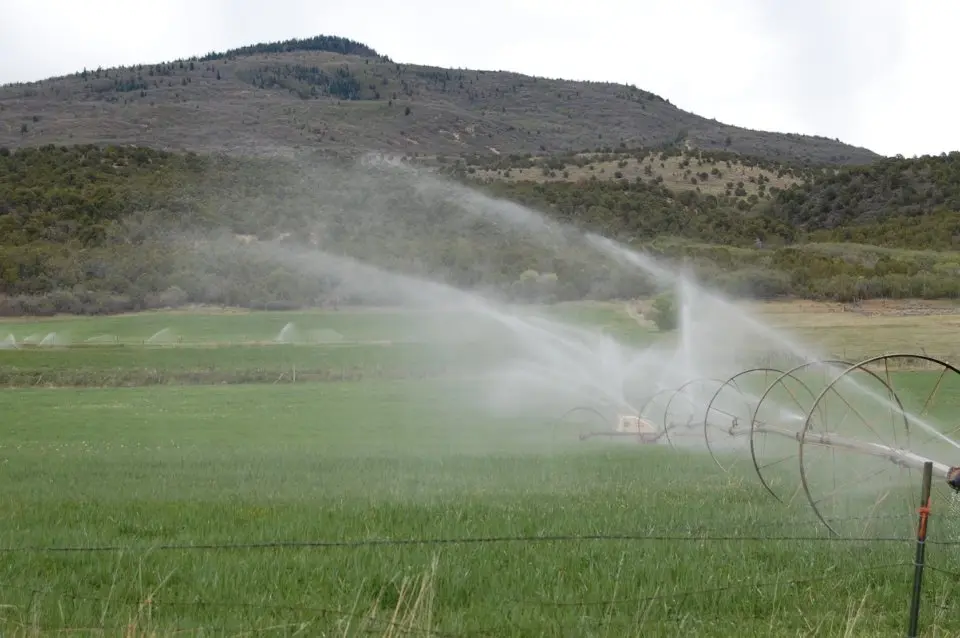
In Fairview, ten acres with good water and ten acres without it are two very different properties. Yet many buyers find out what water comes with the land only after they've made an offer. Here's what I walk every acreage client through.
This is general information, not legal advice. For a specific property, I bring in a title company and, when needed, a water rights attorney.
Rule #1: water doesn't automatically come with the land
The Utah Division of Water Rights says it plainly: "A water right is not automatically attached to a property." In Utah, all water belongs to the public. A water right is permission to use a set amount of water for a specific purpose, in a specific place. It's recorded with the state, and it can be owned separately from the land.
Water rights vs. water shares
In Fairview you'll run into two kinds of water ownership:
- A water right is held with the State of Utah and has its own water right number in the state's public records. It can be tied to the land ("appurtenant") or conveyed separately by deed.
- A water share is stock in an irrigation company that holds the water rights and delivers the water through its canals and ponds. In Fairview, irrigation water for farms and secondary watering comes through the Cottonwood-Gooseberry Irrigation Company. Shares transfer through the company's own process, and the company sets assessments and delivery rules.
Many Fairview properties have one, both, or neither. Your first question about any parcel should be: exactly what water comes with this, and in what form?
How water transfers in a sale
The state recognizes only two ways a water right changes hands:
- Appurtenance: the right is tied to the land and conveyed with it. Never assume this. Verify it.
- Deed: the right is deeded separately. For the transfer to be complete, a Report of Water Right Conveyance is filed with the Division of Water Rights, and the county recorder's requirements are met.
For shares, the seller's stock certificate is transferred to you on the irrigation company's books. Make sure the share transfer is spelled out in your purchase contract and actually completed at closing.
Use it or lose it
Under Utah law, a water right that goes unused for seven years can be subject to forfeiture. There are exceptions, such as an approved nonuse application filed with the State Engineer. If a property has been sitting idle, ask how and when the water was last used.
My checklist before you buy acreage in Fairview
- Get the water right numbers and look them up in the Division of Water Rights' public records. Check ownership, the allowed use, the place of use, and the priority date.
- For shares: how many, in which company, the cost of assessments, and whether they're current.
- Confirm the water is written into the purchase contract, not just the listing.
- Ask how the water reaches the land: ditch, pipeline, turnout, pond.
- Ask when the water was last used on the property.
- Remember that drinking water is separate. In Fairview, culinary water comes from the city system or a private well, never from your irrigation shares.
- Plan for dry years. In August 2026, Fairview moved to Stage Two of its water conservation plan, and irrigation deliveries can run short in drought.
Red flags
- "Water rights available" with no water right number
- Shares listed but no certificate, or unpaid assessments
- Water rights reserved by the seller in the deed
- Irrigated pasture that hasn't been irrigated in years
Let's look at the water together
Water rights and shares are my specialty. Before you write an offer on Fairview acreage, I'll help you find out exactly what water comes with it. Contact Sadie Wake, your Sanpete Valley acreage and water rights Realtor.
Source: Utah Division of Water Rights, Buying and Selling Water Rights; Utah Code 73-1-4.
Categories
Recent Posts

GET MORE INFORMATION